




Got (the healthiest) Milk?
This post may contain affiliate links. As an Amazon Associate, I earn from qualifying purchases. Please read my disclosure.
There’s so much controversy over dairy these days.
One camp claims that milk (and all dairy) is one of the worst foods you can eat and should be avoided at all costs, while others claim that if you’re not lactose intolerant, and you have access to organic, pasture-raised dairy – that there is no harm in drinking milk in moderation.
And now there are so many milk alternatives out there it’s hard to keep track: soy, almond, coconut, rice, hemp, oat – who can tell the difference? And how do you know which one is the best / healthiest milk for you?
That’s where this post comes in. This is your guide to all of the milk and milk alternatives out there – to help find the healthiest milk for you!
If you’re enjoying milk, you’re probably using it with cereal on occasion. Be sure to check out my guide on the 15 Healthiest Cereals.
Let’s start with the basics: Regular Cow’s Milk
a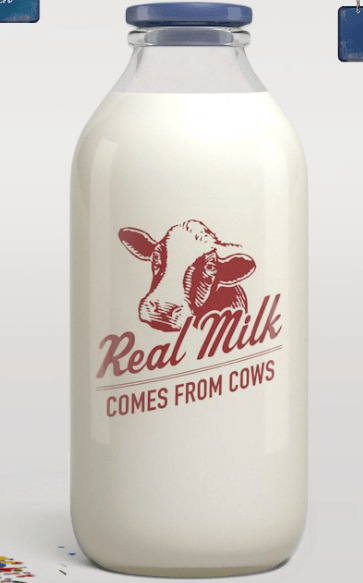
The Facts:
- Your options include: 0% (Skim/Fat Free), 1%, 2% or Whole Milk
- There is organic (pasture raised), organic (grain fed), and non-organic milk
- The calories (per 8oz glass): Whole Milk has about 150 Calories and 8g Fat. 2% has 125 calories and 5g fat. 1% has 100 Calories and 2.5 g Fat. Skim has 80 Calories & 0g Fat.
- The sugar: All the sugar in plain milk is natural (lactose), so there’s no sugar added
- Flavored milks should be avoided at all costs: Chocolate, strawberry, and other flavored milks (including vanilla) have tons of sugar – sometimes as much as a can of Coke.
- Non-organic milk comes from cows that are fed hormones and antibiotics, and those cows ingest pesticides from non-organic feed — and all of that ends up in non-organic milk. (source)
What does regular cow’s milk offer you? Per 8oz glass you get: 8g protein and tons of nutrients — 30% of your daily value (DV) of calcium, 25% DV vitamin D as well as potassium, phosphorus, vitamin A, vitamin B12, riboflavin, and niacin. Dairy from organic, pasture-raised cows has been shown to have a better omega-3 to omega-6 fat ratio, higher levels of beneficial fats such as CLA, and more antioxidants. (source)
The Bottom Line: There isn’t one answer that can apply to everyone when it comes to milk. If you aren’t lactose intolerant, if you don’t have digestive issues, and if you enjoy milk – drinking it in moderation is fine. Choose organic pasture raised, 1%, 2% or whole milk (because a little bit of fat is good for you). Personally: I’ve never had any issue with milk and I enjoy it, so I add organic, pasture raised 1% milk to my oatmeal and to my tea every day (about 1/2-1 cup total per day).
Soy Milk
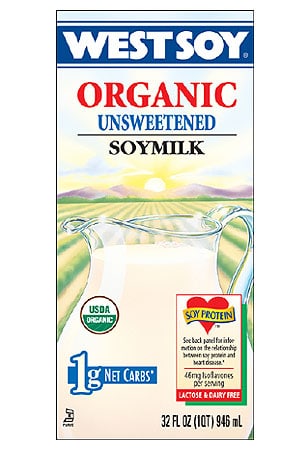
The Facts:
- Soy in this country is one of the main sources of GMOs, so organic soy is always the way to go. (source)
- There are too many versions and brands of soy milk to list. There’s light, sugar-free, organic, etc. This can get very confusing.
- Most soy milk brands have too much added sugar (up to 12g per 8oz!) and preservatives/thickeners like carrageenan – which should be avoided.
- The best soy milks have two ingredients: whole organic soy beans and water.
- Soy contains endocrine disruptors – and studies are inconclusive over whether soy is harmful or not. (source)
What does soy milk offer you? An alternative for cow’s milk that still provides a decent amount of protein. 1 cup of soy milk has 90 calories, 9g protein, 4g fiber, 30% DV calcium, and 30% DV vitamin D. Soy milk also offers vitamin A, iron, riboflavin, folate, vitamin B12, potassium, and magnesium.
a
The Bottom Line: The jury is out on soy. If you’re going to be drinking a cup of milk (or more) a day, that might not count as “soy in moderation.” The benefit of soy milk is that it’s nutritionally on par with cow’s milk and it’s vegan-friendly. If you do drink soy milk, choose unsweetened soy milk that has 0-1g sugar, with only two ingredients: whole organic soy beans and water. Westsoy (pictured above) is my favorite brand.
a
Almond Milk
a The Facts:
 The Facts:
- Many points above about soy milk apply to almond milk: there are many options (light, unsweetened, flavored) and most brands have too many preservatives and thickeners (e.g. carrageenan) and sugar added (up to 12g per 8oz).
- Almond milk has virtually no protein (only about 1g per 8oz). So if you’re looking for a protein packed alternative to milk, this isn’t it.
- Unsweetened Almond milk can be a very low calorie alternative to regular milk as long as you’re getting your protein elsewhere.
What does almond milk offer you? An alternative to milk for those that are allergic to lactose and soy, or for vegans. It’s also a lower calorie option compared to regular milk (if you choose unsweetened almond milk). 1 cup of unsweetened almond milk has 40 calories, 3 g fat, 0 g saturated fat, 45% DV calcium, 25% DV vitamin D, and 50% DV vitamin E. Almond milk also offers riboflavin, vitamin B12, and zinc.
a
The Bottom Line: If you’re going to drink almond milk, pick the unsweetened, organic version (40 calories for 1 cup, no sugar), with no carrageenan. But this isn’t a great alternative for milk because of the lack of protein – so if you only drink almond milk, get your protein elsewhere!
a
Rice Milk
a

Things to remember:
- Many points above about soy milk apply to rice milk: there are many options (light, unsweetened, flavored) and most brands have too many preservatives and thickeners (e.g. carrageenan) and sugar added (up to 12g per 8oz).
- Rice milk has virtually no protein (only about 1g per 8oz).
- Rice milk is considered the least allergenic of all the milks since it’s dairy and nut free
What does rice milk offer you? A milk substitute for super allergy prone people. Other than that, it doesn’t offer much since it’s generally higher in calories and lower in protein than the milk alternatives above. It provides 30% DV calcium, 25% DV vitamin D, and 25% DV vitamin B12. Rice milk also provides phosphorus.
a
The Bottom Line: Regular milk or almond milk is probably a better alternative than rice milk. But if you’re going to drink rice milk – choose the unsweetened, organic kind (0g-1g sugar) with no carrageenan added. And if you’re drinking rice milk only, get your protein elsewhere. Note – Rice Dream above has 12g sugar added and 120 calories, so it’s not the best choice.
a
Coconut Milk
a
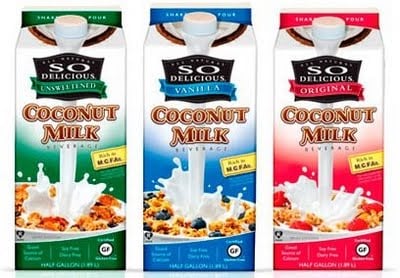
Things to remember:
- Many points above about soy milk apply to coconut milk: there are many options (light, unsweetened, flavored) and most brands have too many preservatives and thickeners (e.g. carrageenan) and sugar added (up to 12g per 8oz).
- Coconut milk has one of the highest saturated fat amounts per serving (out of all the milks)
- Coconut milk is dairy, soy, nut free
- This milk has virtually no protein – 1g per 8oz serving
What does coconut milk offer you? An alternative if you’re allergic to dairy, soy and nuts. Unsweetened, Light Coconut Milk is a great option to use in creamy curry sauces – I use it in Thai curries and Indian dishes all the time (the unsweetened version has 50 calories for 1 cup vs. up to 120 calories for 1 cup). Coconut milk has up to 30% DV Vitamin D and 50% DV Vitamin B12.
a
The Bottom Line: Regular or almond milk is probably a better alternative than coconut milk. If you’re going to choose coconut milk – choose the organic, light, unsweetened kind (0g-1g sugar), with no carrageenan and 50 calories per serving. Definitely use unsweetened coconut milk in creamy curry sauces – it tastes great. And if you’re drinking only coconut milk, get your protein elsewhere!
a
Hemp Milk
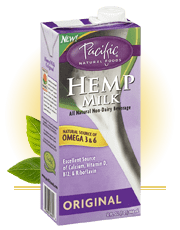 Things to remember:
 - Hemp milk is lower in sugar but higher in fat than the other milk alternatives
- Hemp milk (depending on the brand) does have some protein: more than almond/coconut/rice but less than soy/regular milk
- Watch out for added sugars and preservatives/thickeners (carrageenan)
- Hemp milk offers a well-balanced ratio of omega-3 and omega-6 essential fatty acids
What does hemp milk offer you? A milk alternative with more protein than almond/rice/coconut milk. 1 cup has 100-110 calories, 6-7 g fat, 1g saturated fat, 2-5 g protein, 30% DV calcium, 25% DV vitamin D, 25% DV riboflavin, and 25% DV vitamin B12. Hemp milk also provides iron, phosphorus and magnesium.
a
The Bottom Line: If you’re not trying to cut calories and if you like the taste of hemp milk, choose this over almond or rice milk. Choose an organic hemp milk with no carrageenan.
a
Oat Milk
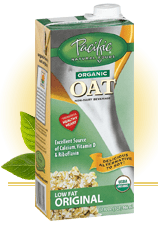 Things to remember:
- This is the highest calorie milk option – 1 cup has 130 calories
- Many points above about soy milk apply to coconut milk: there are many options (light, unsweetened, flavored) and most brands have too many preservatives and thickeners (e.g. carrageenan) and sugar added (up to 19g per 8oz).
- Oat milk is lactose free
What does oat milk offer you? Yet another option! Oat milk does have 2g fiber and 4g protein, so if you’re ok with the higher calorie count, it’s a good option for those that are lactose intolerant. It has 35% DV Calcium, 25% DV Vitamin D, and 30% DV Riboflavin.
a
The Bottom Line: Oat milk works if you’re not trying to cut calories, if you’re ok with the lower amount of protein, and if you need to avoid regular milk.
.
Phew! That’s it. As I mentioned, since I have no trouble tolerating dairy, I’ll choose organic, pasture raised milk to go in my oatmeal, cereal (on the rare days I have cereal), and tea. But to drink or not to drink milk is definitely a personal choice – some people tolerate dairy just fine, others swear that even though they’re not technically lactose intolerant, they can’t digest dairy. There isn’t strong consensus that people should avoid milk and some studies have shown health benefits from drinking milk. If you do choose to drink milk, buy organic, pasture-raised milk whenever possible.
.
Hopefully this guide helps you navigate all of the options out there!

























Hi there I just found your article and was wondering if you know anything about Broguiere’s Dairy Farms Glass bottled milk? Is it organic and more healthy? My mother does not live too far from the actual drive through on Maple Ave. When I go to visit her I always stop there to get milk. It still has the cream that rises to the top.
Hi Linda! Unfortunately I don’t know much about them and their website really doesn’t have much information about their farming practices. I found this article that says they are organic, but they don’t have the USDA organic label on their bottles so I’m not sure what’s going on there! I do like that they use glass bottles, it’s non-homogenized (which is why the cream rises and that’s great), and that their milk is super fresh, but as for whether it’s organic I think you’d have to call the company themselves to find out! Hope that helps!
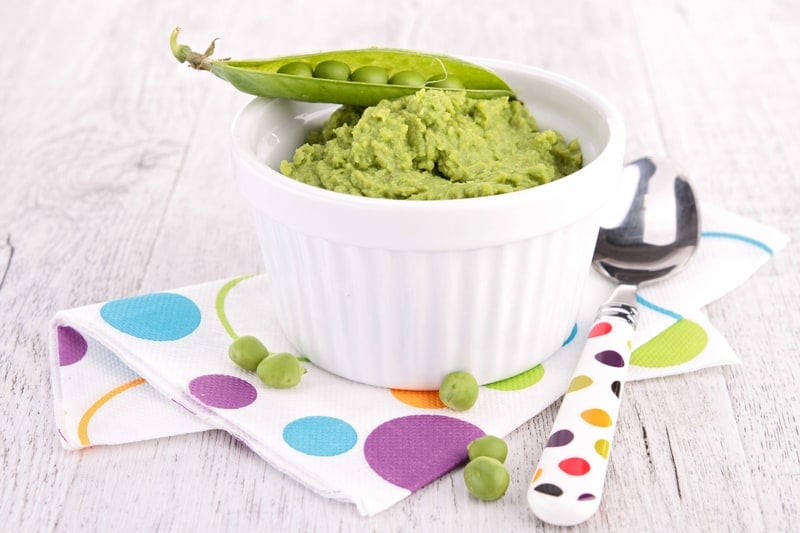
Hi was wondering your thoughts on pea milk?
Hi! Is there a specific brand of pea milk you’re looking at? My general thoughts are: if it’s organic pea milk with no fillers or sweeteners added it can be a good option, since peas have much more protein than many other plant based milk options. Hope that helps!
What do you suggest for a toddler with a cow’s milk allergy?
Hi Megan! Ripple Milk – the Unsweetened Original flavor (not any of the other flavors) is a good option, as is Bolthouse Farms Unsweetened Plant Protein milk. Hope that helps!
Hi, Thanks for the research. You didn’t mention unsweetened Cashew Milk. What are your thoughts on Cashew Milk?
Hi James! Great question – I’d put Unsweetened Cashew Milk in the exact same bucket as Unsweetened Almond Milk. It has no protein, and a bunch of stabilizers – but it is a very low calorie alternative to regular milk. Some Unsweetened Cashew Milks can have only 25 calories per serving. But there are virtually no nutrients in cashew milk – beyond the vitamins a company may add to it. So if you do choose Cashew Milk – you’ll have to get your protein somewhere else!
I’m so grateful that you posted this awesome guide on the main types of healthy milks to drink, Anjali. You have just perfectly covered the options we can choose from. Though I can really recommend you to try making natural almond milk at home, as I recently did and I just love the taste. It’s easy on the tummy too :). You can check the nice recipe for homemade almond milk I found here: https://www.cookvibrant.com/homemade-almond-milk-easy-recipe/
Anyway if almond milk gets too expensive there are good alternatives like peanut and oat milk that can also be made at home. You can even mix them to get a nice and tasty blend of them both.
Thanks again for the great post and keep sharing your wonderful recipes with us. I just love your blog!
Thanks Kate! I am a big fan of making almond (or oat/peanut) milk at home — that’s a great alternative to the store bought varieties! The main issue with almond or oat milk is just that it has virtually no protein – so for people who are vegetarian and look to milk as a source of protein, almond milk isn’t a good substitution. But other than that homemade almond milk works well for people who have a dairy allergy or other issues with regular milk!
Remember alternative milk lacks essential amino acids, so its incomplete protein source
Thanks Buddy! Another good reason to choose regular milk if you can digest it!